
Renting as the New American Dream: Embracing Flexibility in 2026
Blog post description.
1/30/20262 min read
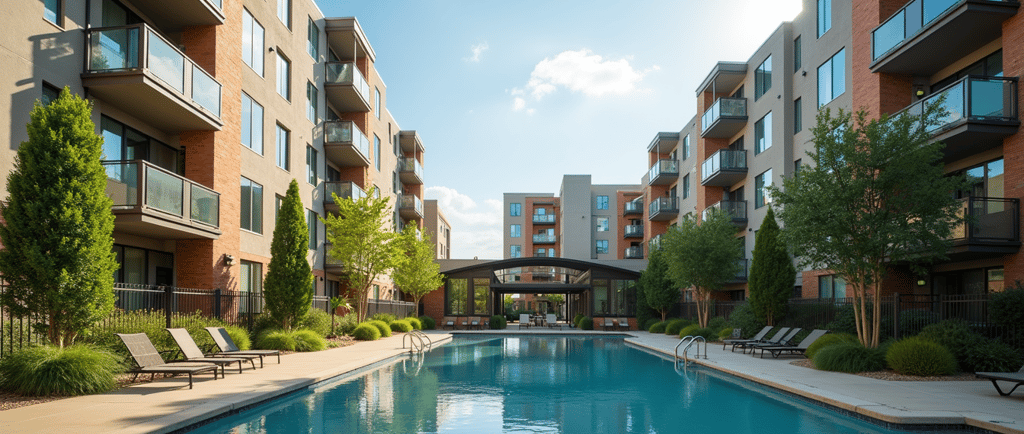
The traditional American Dream has long been tied to owning a home and paying off a mortgage. Yet, in 2026, this dream is evolving. With interest rates and home prices remaining high in the Dallas-Fort Worth (DFW) area, many are choosing to rent instead of buying. This shift is not just a response to market conditions but a deliberate choice for flexibility and lifestyle. For investors of Zion Capital Management, this trend opens new opportunities to meet the needs of a growing renter population.
Modern apartment complex in Dallas-Fort Worth, showing rental living options
The Changing Cost Landscape in North Texas
The gap between monthly mortgage payments and rent has widened significantly in North Texas. Home prices have surged over the past few years, and interest rates have not dropped enough to offset these increases. For many potential buyers, the monthly mortgage payment is now much higher than comparable rent payments.
Mortgage payments often include principal, interest, property taxes, and insurance, pushing monthly costs well above $2,500 in many neighborhoods.
Rent payments for similar-sized homes or apartments typically range from $1,500 to $2,000, offering a more affordable monthly commitment.
This difference means renters can save money or allocate funds to other priorities like travel, education, or investments. The financial math favors renting for many, especially those who value flexibility.
The Rise of the Renter by Choice
A new demographic is emerging: the "Renter by Choice." These are professionals who prioritize mobility, convenience, and amenities over the responsibilities of homeownership. They often work in industries that require relocation or prefer urban living with access to entertainment, dining, and public transportation.
Key reasons for choosing to rent include:
Mobility: Renting allows easy moves for job changes or lifestyle shifts without the burden of selling a home.
Maintenance-free living: Renters avoid costly repairs and upkeep, which can be time-consuming and expensive.
Access to amenities: Many rental communities offer gyms, pools, coworking spaces, and social events that homeowners may not have.
This group values time and experiences over property ownership. They see renting as a way to own their time rather than a mortgage.
How Zion Capital Supports This Shift
Zion Capital Management has positioned itself to benefit from the growing renter population by providing institutional-grade management to properties that were often under-managed. This approach improves the rental experience for tenants and increases property value for investors.
Zion Capital focuses on:
Professional property management that ensures timely maintenance, clear communication, and tenant satisfaction.
Upgrading properties to include modern amenities and smart home features that attract renters by choice.
Data-driven decisions to optimize rental pricing and occupancy rates, maximizing returns.
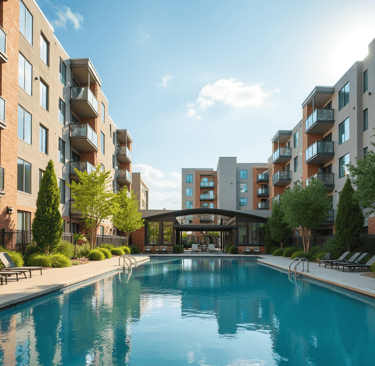
By treating rental properties as valuable assets rather than just income sources, Zion Capital creates a win-win for investors and renters alike. Well-maintained apartment pool area with seating and landscaping, highlighting rental community amenities
What This Means for Renters and Investors
For renters, the shift means more options and better living experiences. They can enjoy high-quality homes with amenities and flexibility without the long-term commitment of buying. For investors, the growing renter market offers steady demand and opportunities to improve properties and returns.
If you are considering your housing options in 2026, think about what matters most: financial flexibility, lifestyle, and time. Renting may no longer be a fallback but a smart choice aligned with modern priorities.
For investors, focusing on well-managed rental properties in high-demand areas like DFW can provide stable income and growth potential. Zion Capital Management’s approach shows how professional management can unlock value in this evolving market